Making Sense of Complex Bodies

Making Sense of Complex Bodies

Clear, structured learning around movement and exercise
Online Courses

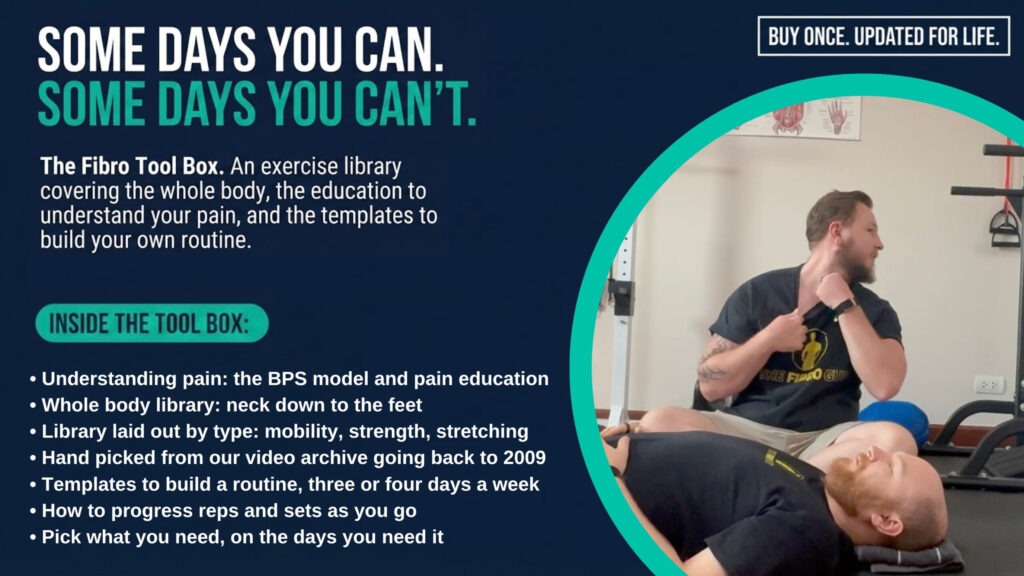
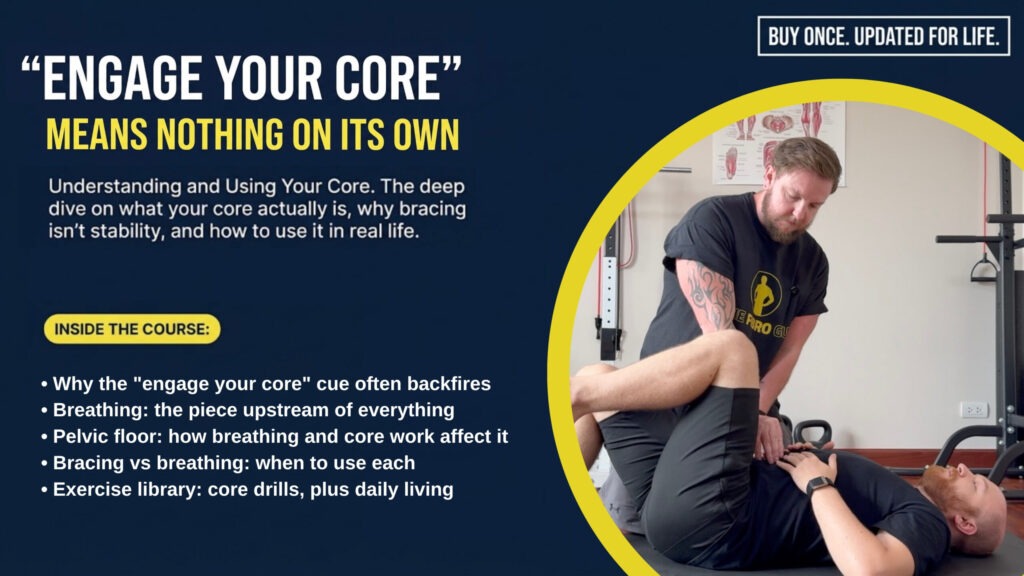
Self paced, education focused learning that explores movement, strength, stability and control in depth.

Free Learning

Videos, articles and starter material covering movement, pain and training concepts.

Work 1:1 With Us

Tailored exercise and education training, shaped around you and what you are working through.

Most people with chronic pain or hypermobility have already been told that exercise is meant to help.
What they are rarely given is a way to approach it that actually feels safe.

When your body feels unpredictable, when you are not sure where your joints are, or when previous attempts at exercise have ended in flare ups or injury, movement can start to feel risky rather than supportive. Add in conflicting advice, misinformation and mountains of research, and it becomes even harder to know what to do.

Research exists, but reading it does not tell you what to do on Monday.

Our work focuses on cutting through that noise and helping people approach movement and training in a more controlled, informed and considered way.


How we help people make sense of movement and exercise

A girl with red hair exercising

Our work focuses on helping people understand and apply movement and training concepts when bodies are painful and unpredictable.


• Making sense of the sensorimotor system and how it influences postural control, proprioception and movement


• Understanding proprioception and what it means when you do not feel where your joints are


• Exploring muscle tone, control and stability as skills that can be developed, not things you either have or do not


• Understanding how pain, attention and context influence movement and confidence


• Using simple movement experiments to replace guessing with clearer feedback

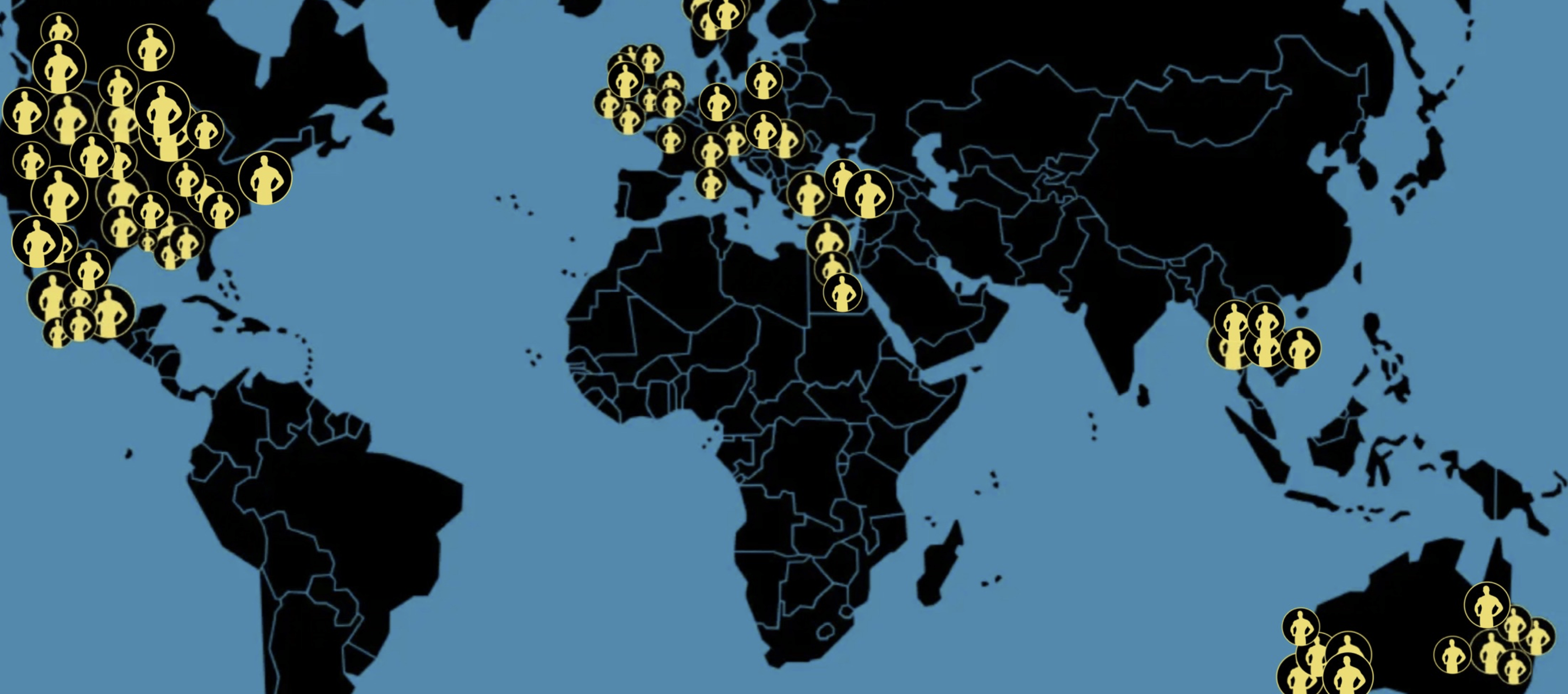
Educating around the world

The Fibro Guy Map of where they have worked, all over the world.

Our approach to movement education has been shared with people and professionals across the world.

As featured in

A mixture of various newspapers

Where the work goes deeper

If you have been engaging with our content and thinking “this makes sense, but I still feel unsure what to do”, the courses are where everything is brought together.

They organise the ideas and topics you see on our social media, into structured, self paced learning, using guided movement to explore strength, stability, proprioception and motor learning in context.

This is where the thinking becomes something you can actually work through, step by step.

Why we talk about hypermobility and fibromyalgia together

We get asked this a lot.

Hypermobility and fibromyalgia are frequently discussed together in research and clinical settings because they overlap far more than most people realise (1,2).

Research consistently shows a high prevalence of joint hypermobility in people with fibromyalgia (3,4,5), and a high prevalence of chronic widespread pain in people with hypermobility spectrum conditions (6,7,8). Many people experience features of both, even if they only hold one diagnosis (1,2).

Across both groups, the research literature commonly describes differences in how movement is sensed, organised and controlled (9,10,11). This includes proprioception (12,13,14), balance (15,16), motor control (9,10), body representation (17,18) and how movement skills are learned and refined (19,20,21).

Because of this overlap, exercise is widely recommended (22,23,24).

The NHS, NICE guidelines and multiple international organisations consistently promote exercise for people living with chronic pain and fibromyalgia (22,23,25,26). At the same time, charities and clinical guidance around hypermobility emphasise that exercise needs to be approached with more care, structure and progression (27,28,29).

This is where our focus sits.

However, how exercise is approached matters (30,31,32).

Movement strategies commonly used for hypermobility often translate well to fibromyalgia because they prioritise control (30,33), proprioception (12,14,34), gradual loading (30,35) and nervous system tolerance (36,37). These approaches tend to be adaptable for pain sensitive bodies (38,39).

The reverse is not always true.

Exercise approaches designed for fibromyalgia do not always account for joint instability (40,41). When hypermobility is present, movement often needs more structure (27,29,30), more attention to positioning and coordination (30,33,42), and a clearer progression to avoid reinforcing unstable patterns (30,43).

This is why hypermobility features so strongly in our work.

Rather than treating diagnoses, we explore how strength (44,45), stability (30,33), proprioception (12,14,34) and motor learning (19,20,21) are discussed in relation to movement, and how these ideas are commonly applied in hypermobile and pain sensitive bodies (38,39,46).

Hypermobility often requires a more deliberate approach to exercise (27,47), with greater attention to control (30,33), coordination (30,42) and gradual loading (30,35). That makes it a useful framework for teaching movement in a way that prioritises safety, awareness and long term skill development (19,48).

How this shapes our work

Our courses slow things down.

They combine clear explanation with guided movement to explore:

  • How proprioception and sensory input are discussed in relation to movement (12,14,49)

  • How strength and stability are trained in a controlled way (44,45,50)

  • How motor learning progresses from effortful control to more automatic movement (20,21,51)

  • How these ideas are applied across different body regions (27,29,30)

This reflects both the research literature (52,53) and current clinical guidance (22,23,27), and explains why these themes run through everything we teach.

References

Read More

  1. Eccles JA, Thompson B, Themelis K, et al. Beyond bones: The relevance of variants of connective tissue (hypermobility) to fibromyalgia, ME/CFS and controversies surrounding diagnostic classification: an observational study. Clin Med (Lond). 2021;21(1):53-58.

  2. Zoppi N, Chiarelli N, Binetti S, Ritelli M, Colombi M. High overlap in patients diagnosed with hypermobile Ehlers-Danlos syndrome and/or hypermobility spectrum disorders and fibromyalgia. Front Med (Lausanne). 2023;10:1096180.

  3. Ofluoglu D, Gunduz OH, Kul-Panza E, Guven Z. Hypermobility in women with fibromyalgia syndrome. Clin Rheumatol. 2006;25(3):291-293.

  4. Acasuso-Díaz M, Collantes-Estévez E. Joint hypermobility in patients with fibromyalgia syndrome. Arthritis Care Res. 1998;11(1):39-42.

  5. Ting TV, Hashkes PJ, Schikler K, et al. The role of benign joint hypermobility in the pain experience in Juvenile Fibromyalgia: an observational study. Pediatr Rheumatol Online J. 2012;10:16.

  6. Chopra P, Tinkle B, Hamonet C, et al. Pain management in the Ehlers-Danlos syndromes. Am J Med Genet C Semin Med Genet. 2017;175(1):212-219.

  7. Voermans NC, Knoop H, Bleijenberg G, van Engelen BG. Pain in Ehlers-Danlos syndrome is common, severe, and associated with functional impairment. J Pain Symptom Manage. 2010;40(3):370-378.

  8. Lindholm S, Björk M, Lekander M, Gerdle B. The Impact of Pain on Everyday Activities of People With Hypermobility Spectrum Disorders or Hypermobility Ehlers-Danlos Syndrome. Musculoskelet Care. 2025;23(1):e70036.

  9. Perrotta A, Quodling N, Martins M, Maher R. A Review of Movement and Functional Impairments in Fibromyalgia: A Structured Synthesis of Research Evidence. Cureus. 2025;17(10):e73682.

  10. Black WR, Sims-Gould J, Shapiro L, et al. The effects of joint hypermobility on pain and functional biomechanics in adolescents with juvenile fibromyalgia: secondary baseline analysis from a pilot randomized controlled trial. BMC Pediatr. 2023;23(1):557.

  11. Aziz H, Kandakurti PK, Uppin RB, Katta C. Joint-level proprioceptive deficits and postural instability in fibromyalgia syndrome: a prospective case-control study. BMC Musculoskelet Disord. 2025;26(1):973.

  12. Ferrell WR, Tennant N, Sturrock RD, et al. Amelioration of symptoms by enhancement of proprioception in patients with joint hypermobility syndrome. Arthritis Rheum. 2004;50(10):3323-3328.

  13. Akaras E, Guzel NA. The effects of joint hypermobility on strength, proprioception, and postural stability: a comparative study. Sci Rep. 2025;15(1):25344.

  14. Hall MG, Ferrell WR, Sturrock RD, Hamblen DL, Baxendale RH. The effect of the hypermobility syndrome on knee joint proprioception. Br J Rheumatol. 1995;34(2):121-125.

  15. Yilmaz UE, Çelik B. Is There a Balance Problem in Hypermobile Patients with Fibromyalgia? Arch Rheumatol. 2013;28(3):173-178.

  16. Rasouli O, Fors EA, Borchgrevink PC, Ă–hberg F, Stensdotter AK. Exploring the dynamics of stability and lumbar proprioception in hypermobility syndrome: the interplay of Kinesiophobia and fatigue. Sci Rep. 2025;15:5651.

  17. Haggard P, Iannetti GD, Longo MR. Spatial sensory organization and body representation in pain perception. Curr Biol. 2013;23(4):R164-R176.

  18. Tsay A, Allen TJ, Proske U, Giummarra MJ. Sensing the body in chronic pain: a review of psychophysical studies implicating altered body representation. Neurosci Biobehav Rev. 2015;52:221-232.

  19. Winter L, Kruger THC, Laurens M, Triesch J, Reer R, Behringer M. The Effectiveness of Proprioceptive Training for Improving Motor Function and Motor Control: A Systematic Review. Front Sports Act Living. 2022;4:830166.

  20. Wu T, Dufford AJ, Egan LJ, et al. The Neural Correlates of Motor Skill Automaticity. J Neurosci. 2015;35(22):8617-8628.

  21. Ghafari Goushe B, Abdollahipour R, Shams A, Shea CH. Perception of effort decreases with motor sequence learning. Sci Rep. 2025;15(1):28437.

  22. NHS. Fibromyalgia – Treatment. Available at: https://www.nhs.uk/conditions/fibromyalgia/treatment/ [Accessed 28 January 2026].

  23. National Institute for Health and Care Excellence. Chronic pain (primary and secondary) in over 16s: assessment of all chronic pain and management of chronic primary pain. NICE guideline [NG193]. London: NICE; 2021.

  24. Bidonde J, Busch AJ, Schachter CL, et al. Aerobic exercise training for adults with fibromyalgia. Cochrane Database Syst Rev. 2017;2017(6):CD012700.

  25. Busch AJ, Webber SC, Richards RS, et al. Resistance exercise training for fibromyalgia. Cochrane Database Syst Rev. 2013;2013(12):CD010884.

  26. Busch AJ, Barber KA, Overend TJ, Peloso PM, Schachter CL. Exercise for treating fibromyalgia syndrome. Cochrane Database Syst Rev. 2007;(4):CD003786.

  27. NHS. Joint hypermobility syndrome. Available at: https://www.nhs.uk/conditions/joint-hypermobility-syndrome/ [Accessed 28 January 2026].

  28. The Ehlers-Danlos Society. Fibromyalgia and chronic fatigue. Available at: https://www.ehlers-danlos.org/information/fibromyalgia-and-chronic-fatigue/ [Accessed 28 January 2026].

  29. Palmer S, Cramp F, Clark EM, et al. The effectiveness of a multidisciplinary intervention strategy for the treatment of symptomatic joint hypermobility in childhood: a randomised, single Centre parallel group trial (The Bendy Study). Pediatr Rheumatol Online J. 2019;17(1):3.

  30. Russek LN, Errico DM. Physical therapy interventions in generalized hypermobility spectrum disorder and hypermobile Ehlers-Danlos syndrome: a scoping review. Disabil Rehabil. 2024;46(7):1437-1451.

  31. Sañudo B, Galiano D, Carrasco L, Blagojevic M, de Hoyo M, Saxton J. Aerobic exercise versus combined exercise therapy in women with fibromyalgia syndrome: a randomized controlled trial. Arch Phys Med Rehabil. 2010;91(12):1838-1843.

  32. Gusi N, Parraca JA, Olivares PR, Leal A, Adsuar JC. Tilt vibratory exercise and the dynamic balance in fibromyalgia: a randomized controlled trial. Arthritis Care Res (Hoboken). 2010;62(8):1072-1078.

  33. Simmonds JV, Keer RJ. Hypermobility and the hypermobility syndrome. Man Ther. 2007;12(4):298-309.

  34. Daman M, Shiravani F, Hemmati L, Taghizadeh S. The effect of combined exercise therapy on knee proprioception, pain intensity and quality of life in patients with hypermobility syndrome: a randomized clinical trial. Clin Rehabil. 2019;33(6):1111-1119.

  35. Sahin N, Baskent A, Ugurlu H, Berker E. Isokinetic evaluation of knee extensor/flexor muscle strength in patients with hypermobility syndrome. Rheumatol Int. 2008;28(7):643-648.

  36. Woolf CJ. Central sensitization: Implications for the diagnosis and treatment of pain. Pain. 2011;152(3 Suppl):S2-15.

  37. Yunus MB. Fibromyalgia and overlapping disorders: the unifying concept of central sensitivity syndromes. Semin Arthritis Rheum. 2007;36(6):339-356.

  38. Palmer S, Cramp F, Clark EM, et al. The effectiveness of a multidisciplinary intervention strategy for the treatment of symptomatic joint hypermobility in childhood: a randomised, single Centre parallel group trial (The Bendy Study). Pediatr Rheumatol Online J. 2019;17(1):3.

  39. Celletti C, Paolucci T, Tella S, Vismara L, Camerota F. Multidisciplinary Treatment for Hypermobile Adolescents with Chronic Musculoskeletal Pain. Children (Basel). 2020;7(5):44.

  40. Liaghat B, Juul-Kristensen B, Frydendal T, et al. Heavy shoulder strengthening exercise in people with hypermobility spectrum disorder (HSD) and long-lasting shoulder symptoms: a feasibility study. Pilot Feasibility Stud. 2020;6:97.

  41. Liaghat B, Skou ST, Søndergaard J, et al. Short-term effectiveness of high-load compared with low-load strengthening exercise on self-reported function in patients with hypermobile shoulders: a randomised controlled trial. Br J Sports Med. 2022;56(22):1269-1276.

  42. Rombaut L, Malfait F, De Wandele I, et al. Medication, surgery, and physiotherapy among patients with the hypermobility type of Ehlers-Danlos syndrome. Arch Phys Med Rehabil. 2011;92(7):1106-1112.

  43. Pacey V, Tofts L, Adams RD, Munns CF, Nicholson LL. Quality of life prediction in children with joint hypermobility syndrome. J Paediatr Child Health. 2015;51(7):689-695.

  44. Luder G, Schmid S, Stettler M, et al. Effect of resistance training on muscle properties and function in women with generalized joint hypermobility: a single-blind pragmatic randomized controlled trial. BMC Sports Sci Med Rehabil. 2021;13(1):10.

  45. Pedersen SJ, Sørensen KM, Jensen AK, Winge KL, Madsen FF, Juul-Kristensen B. Supervised, Heavy Resistance Training Is Tolerated and Potentially Beneficial in Women with Knee Pain and Knee Joint Hypermobility: A Case Series. J Clin Med. 2022;12(1):211.

  46. Scheper MC, Juul-Kristensen B, Rombaut L, et al. Disability in Adolescents and Adults Diagnosed With Hypermobility-Related Disorders: A Meta-Analysis. Arch Phys Med Rehabil. 2016;97(12):2174-2187.

  47. Palmer S, Davey A, Oliver JM, et al. The feasibility of a randomised controlled trial of physiotherapy for adults with joint hypermobility syndrome. Health Technol Assess. 2016;20(47):1-126.

  48. Fitts PM, Posner MI. Human Performance. Belmont, CA: Brooks/Cole; 1967.

  49. Prochazka A, Clarac F, Loeb GE, Rothwell JC, Wolpaw JR. What do reflex and voluntary mean? Modern views on an ancient debate. Exp Brain Res. 2000;130(4):417-432.

  50. Saragiotto BT, Maher CG, Yamato TP, et al. Motor control exercise for chronic non-specific low-back pain. Cochrane Database Syst Rev. 2016;2016(1):CD012004.

  51. Marinelli L, Quartarone A, Hallett M, Frazzitta G, Ghilardi MF. The many facets of motor learning and their relevance for Parkinson’s disease. Clin Neurophysiol. 2017;128(7):1127-1141.

  52. Russek LN, Errico DM. Physical therapy interventions in generalized hypermobility spectrum disorder and hypermobile Ehlers-Danlos syndrome: a scoping review. Disabil Rehabil. 2024;46(7):1437-1451.

  53. Bidonde J, Busch AJ, Schachter CL, et al. Mixed exercise training for adults with fibromyalgia. Cochrane Database Syst Rev. 2019;5(5):CD013340.

Subscribe to Our YouTube Channel

🎥 On our YouTube channel, we share straightforward, no-nonsense tips:

– Exploring ideas around stability and confidence in movement

– How motor learning, sensory input and attention influence movement

– Small, actionable changes that can make a big difference

No fluff, no gimmicks: just real advice that’s delivered with a little dash of humour.

Check Out Some Resources