
Fibromyalgia

PCOS to PMOS: What the New Name Means for People with Hypermobility
PCOS has been renamed PMOS in 2026. Here’s what that means if you’re hypermobile, and what the evidence actually says about the overlap.


PCOS has been renamed PMOS in 2026. Here’s what that means if you’re hypermobile, and what the evidence actually says about the overlap.
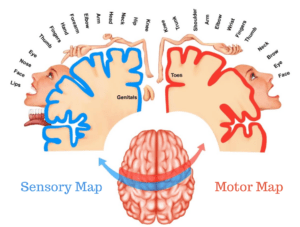
Your brain has a map of your body, and the map drives joint control, not the muscle. A look at cortical maps, proprioception, vestibular and visual inputs, why the signal goes fuzzy in hypermobility, and how to train for sharper joint awareness.

Constipation in hypermobility and hEDS is not a fibre problem, it’s mostly a sensation and coordination problem. Here’s what the evidence actually says about the mechanisms and what works.

Hypermobility comes with a strange contradiction: muscles that feel constantly tight, while also being told you have low tone. Once you understand how passive, active and readiness tone actually work, that contradiction makes sense, and so does why traditional ‘just get stronger’ advice keeps missing.

Why training for hypermobility and chronic pain is a motor learning task before it’s a strength task. The stages your nervous system runs through, where the science is solid, and what that means for how you actually train.

The most thorough evidence review of fascia and hypermobility on the internet. 50 verified primary references, every claim CrossRef-checked, every fascia release method tested against the actual evidence. Honest about what works, where the marketing breaks bones, and what those with hypermobility should actually be doing instead.

One in four people with hEDS carries diagnoses of all three: hypermobile EDS, POTS, and MCAS. The overlap is well documented. The mechanisms are still being worked out. Here is what the research actually says.

If you have hypermobility or Ehlers-Danlos syndrome and you’re entering perimenopause, this is the comprehensive guide you’ve been looking for. From the menstrual cycle’s effect on joint laxity, through perimenopause chaos, POTS, mast cells, pelvic floor, bone health, and the full HRT picture, this post covers every aspect of how hormonal changes interact with a hypermobile body.

The EDS classification is being updated for the first time since 2017. The Road to 2026 initiative will publish new diagnostic criteria on 2 December 2026. Here is what the HEDGE study, the hEDS/HSD Criteria Review Study, and the Toronto Symposium findings mean for those with hypermobility and EDS.

This article is part of our comprehensive guide to hypermobility and Ehlers-Danlos syndrome. Ozempic and EDS. Ozempic and hypermobility. Ozempic and chronic pain. The questions

This article is part of our comprehensive guide to POTS and dysautonomia. If you’ve spent any time at all in the EDS or POTS communities

Everything you need to know about pregnancy with Ehlers-Danlos syndrome and hypermobility. Covering connective tissue changes, pregnancy outcomes, POTS, MCAS, local anaesthetic resistance, labour and delivery, postpartum recovery, breastfeeding, and the 2024 expert guidelines.